
Embedding long-lasting hygiene habits among children
Handwashing with soap is one of the most effective ways to prevent common infectious diseases, a leading cause of global child mortality. Our client asked us to drive hygiene education and foster lasting hygiene habits among schoolchildren worldwide.
Client: Personal hygiene brand

Research findings published in the BMC Public Health Journal, and campaign secured support of leading NGOs

Generated over 850 pieces of coverage across 50 countries, reaching a potential audience of over 2 billion
Our insights fed into a global educational programme, which has educated over 1.2 million children
Our approach
In partnership with behavioural scientists at leading academic institutions (Warwick Medical School and Manchester Metropolitan University), we conducted a survey with 5,000 parents, teachers and children across seven countries. The aim was to understand the behavioural barriers to effective hand hygiene practices among children aged 5-11 years.
Using these research findings, we developed a suite of educational resources to encourage better hand hygiene in schools. We then tested their effectiveness by hosting online focus groups with parents and teachers across the seven countries.
To strengthen the campaign’s credibility and secure stakeholder support, we published the research in the leading peer-reviewed journal BMC Public Health. This was amplified through global media outreach, driving broader awareness of the importance of hand hygiene.
1 UNICEF DATA. Diarrhoea remains a leading killer of young children. 2022. Available at: Diarrhoea - UNICEF DATA (Accessed: July 2023).
 2 The Global Handwashing Partnership. Why Handwashing? Available at: Why Handwashing - The Global Handwashing Partnership (Accessed: July 2023).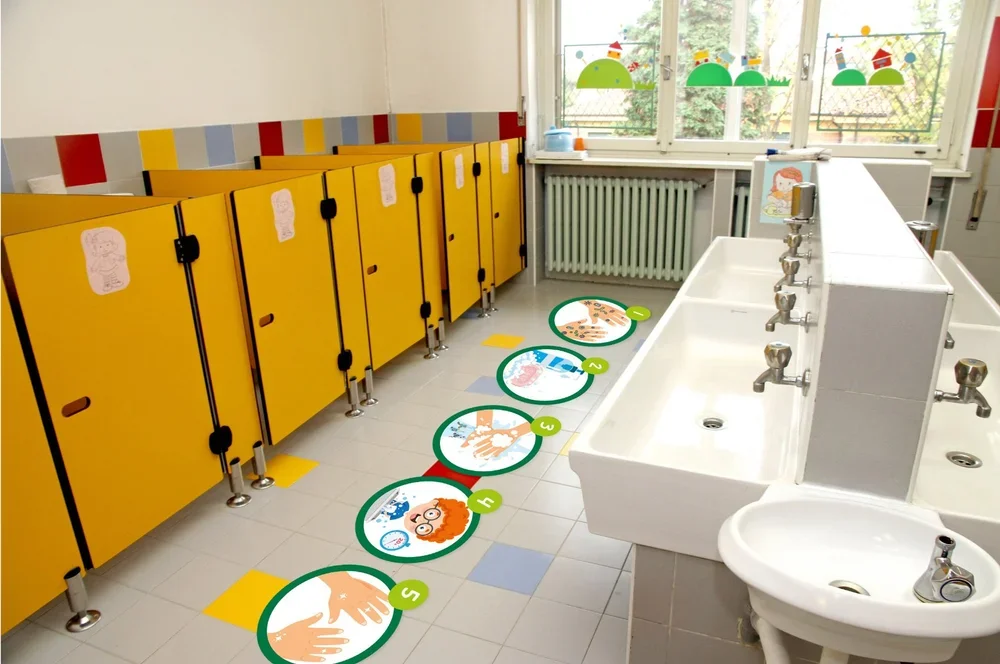

Outcomes
Our stakeholder outreach secured support from influential hygiene and sanitation non-governmental organisations, including the United Nations Water Supply and Sanitation Collaborative Council and the Global Handwashing Partnership.
The research findings informed the development of our client’s hygiene education programme, which was launched at a global Conference of the Parties (COP) summit and subsequently rolled out to schools worldwide.
To date, the programme has educated 1.2 million children and trained 33,000 teachers. The programme has also delivered measurable health improvements in participating schools, including:
14.6% reduction in diarrhoea among children in India
7.3% reduction in diarrhoea among children in Nigeria
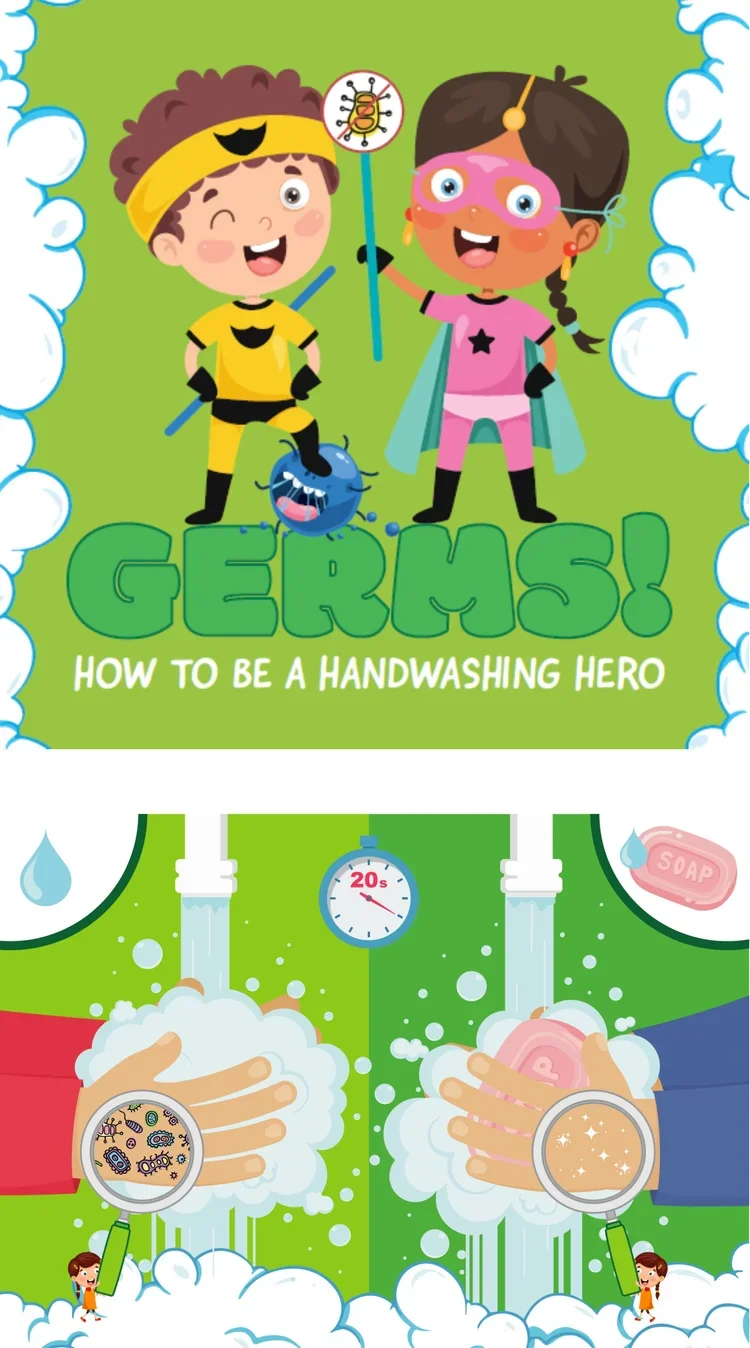
“It would definitely encourage our children to practise hygiene more. My school community would definitely welcome this idea!”
South Africa focus group feedback